Aunque el
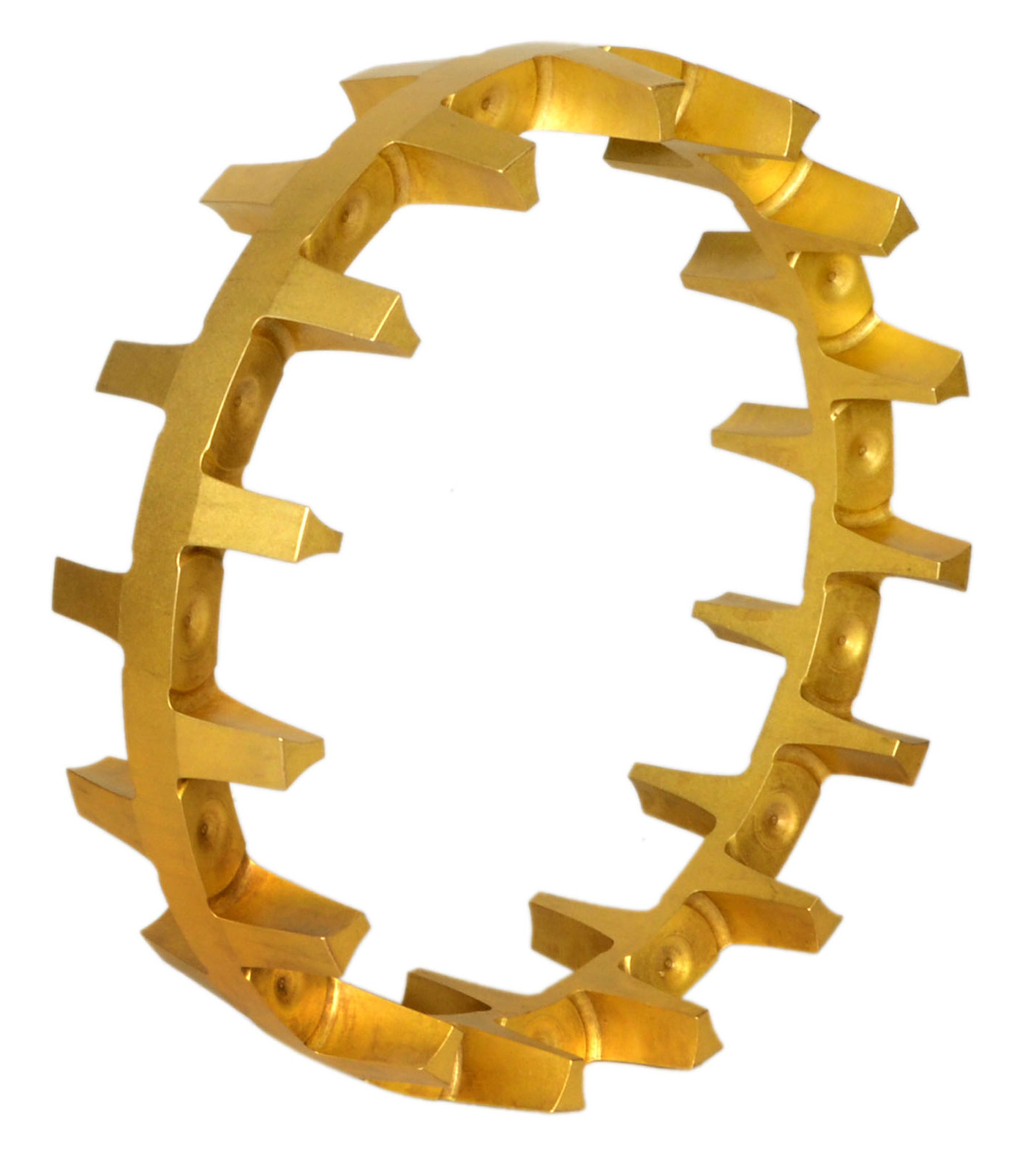
cojinete is composed of many parts, the cage can also be said to be the "blood vessel" of the bearing. Therefore, in the performance of the bearing, the material of the cage is directly related to the efficiency of the bearing. The bearing cage is a bearing part that wraps all or part of the rolling element and moves with it to isolate the rolling element. It usually guides the rolling element to keep it inside the bearing.
When the rolling bearing is working, especially when the load is complex and the rotation is high-speed, the cage must withstand great centrifugal force, impact and vibration. There is a lot of sliding friction between the cage and the rolling element, and a lot of heat is generated. The combined effect of force and heat will cause the cage to fail, and in severe cases, it will burn and break. Therefore, the cage material is required to have good thermal conductivity, good wear resistance, low friction coefficient, low density, a certain combination of strength and toughness, good elasticity and stiffness, and a coefficient of expansion similar to that of the rolling element. And good processing performance. In addition, the cage is also affected by chemical media, such as lubricants, lubricant additives, organic solvents and coolants.
Explore nuestro extenso y detallado catálogo de productos
El papel de las jaulas de rodamientos.
La función principal de las jaulas de rodamientos es: mantener los elementos rodantes a una distancia adecuada entre sí, evitar el contacto directo entre elementos rodantes adyacentes y mantener al mínimo la fricción y el calor resultante; mantenga los elementos rodantes distribuidos uniformemente en cada rodamiento, de modo que la carga pueda distribuirse uniformemente en cada rodamiento y reducir el ruido; hacer que los elementos rodantes se guíen adecuadamente en la zona libre de carga, mejorar las condiciones de rodadura en el rodamiento y evitar accidentes destructivos;
Clasificación de jaulas de rodamientos.
Commonly used cages are mainly divided into metal cages and non-metallic cages according to the type of material, as well as composite cages, etc. Special-purpose bearing cages should also meet the requirements of special working conditions, such as high temperature resistance, corrosion resistance, self-lubrication (used in vacuum) or non-magnetic.
The main difference between brass cage bearings and steel cage bearings is the material used for the cage, which affects various performance characteristics. Here is a detailed comparison:
Material
Cojinetes de jaula de latón: Estos cojinetes están hechos de latón y tienen buena resistencia a la corrosión. Suelen utilizarse en ambientes húmedos o químicos. El latón también es relativamente ligero.
Rodamientos de jaula de acero: estos rodamientos están hechos de acero y suelen ser más resistentes y pueden soportar cargas más elevadas. Sin embargo, pueden ser más susceptibles a la corrosión a menos que estén recubiertos.
Resistencia y durabilidad
Brass Cage Bearings: Generally have good wear resistance and can handle moderate loads. They tend to be more brittle than steel, which can limit their use in high-stress applications.
Steel Cage Bearings: Have higher tensile strength and durability, suitable for heavy-duty applications. They can withstand greater shock loads and are less likely to deform under pressure.
AINE Proporciona a los clientes cooperación con la marca y
rodamientos personalizados para satisfacer las diferentes necesidades de los clientes.
Resistencia a la temperatura
Brass Cage Bearings: They perform well in moderate temperatures, but may degrade or lose strength in extremely high temperatures.
Steel Cage Bearings: Generally have high temperature resistance, making them suitable for applications where heat generation is a concern.
Ruido y vibración
Brass Cage Bearings: Generally quieter during operation due to the material's shock-absorbing ability.
Rodamientos de jaula de acero: Puede generar más ruido y vibración, especialmente bajo cargas pesadas.
Costo
Brass Cage Bearings: Generally more expensive than Steel Cage Bearings due to the cost of brass and the manufacturing process.
Steel Cage Bearings: Generally more cost-effective, making them a popular choice for many applications.

Aplicaciones
Brass cage bearings: commonly used in precision instruments, electric motors, and applications where weight and corrosion resistance are critical.
Steel cage bearings: widely used in automotive, industrial machinery, and heavy equipment applications where strength and load capacity are critical.
 Factors to consider when selecting bearing cages
Working environment: El entorno de trabajo del rodamiento tiene una gran influencia en el material de la jaula. Por ejemplo, en entornos de alta temperatura, se deben seleccionar materiales resistentes a altas temperaturas, como jaulas de acero o cinta fenólica; en ambientes corrosivos, se deben seleccionar materiales resistentes a la corrosión, como jaulas de cobre o nailon.
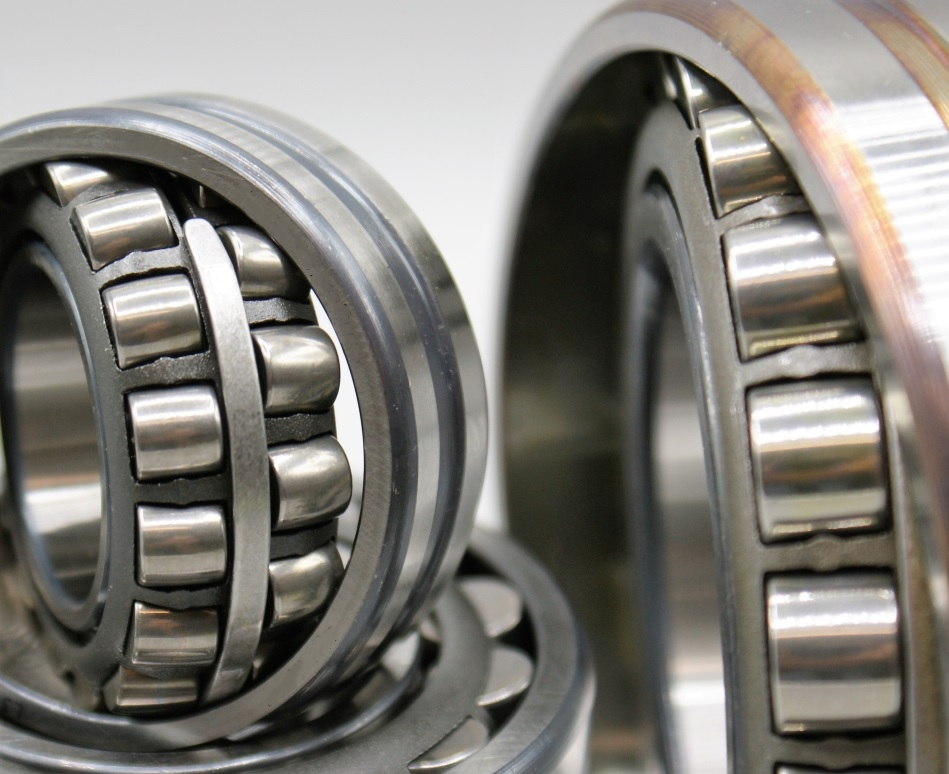
Bearing type: Los diferentes tipos de rodamientos tienen diferentes materiales de jaula. Por ejemplo, los rodamientos rígidos de bolas, los rodamientos de rodillos a rótula y los rodamientos de rodillos cónicos suelen utilizar jaulas de acero; mientras que los rodamientos de rodillos cilíndricos pueden utilizar jaulas de cobre o nailon.
Speed and load: La velocidad y la carga también son factores importantes a la hora de seleccionar los materiales de las jaulas. En condiciones de alta velocidad y carga pesada, se deben seleccionar materiales de alta resistencia, resistentes al desgaste y a la corrosión, como jaulas de acero o cobre.
Economical: Se deben considerar los factores económicos al cumplir con los requisitos de desempeño. Algunos materiales livianos y de bajo costo, como los plásticos de ingeniería, son adecuados para cargas livianas, bajas velocidades y altas temperaturas.
Other factors: Además, también se deben considerar el tamaño, la forma, el método de procesamiento y los requisitos de instalación de la jaula.
Factors to consider when selecting bearing cages
Working environment: El entorno de trabajo del rodamiento tiene una gran influencia en el material de la jaula. Por ejemplo, en entornos de alta temperatura, se deben seleccionar materiales resistentes a altas temperaturas, como jaulas de acero o cinta fenólica; en ambientes corrosivos, se deben seleccionar materiales resistentes a la corrosión, como jaulas de cobre o nailon.
Bearing type: Los diferentes tipos de rodamientos tienen diferentes materiales de jaula. Por ejemplo, los rodamientos rígidos de bolas, los rodamientos de rodillos a rótula y los rodamientos de rodillos cónicos suelen utilizar jaulas de acero; mientras que los rodamientos de rodillos cilíndricos pueden utilizar jaulas de cobre o nailon.
Speed and load: La velocidad y la carga también son factores importantes a la hora de seleccionar los materiales de las jaulas. En condiciones de alta velocidad y carga pesada, se deben seleccionar materiales de alta resistencia, resistentes al desgaste y a la corrosión, como jaulas de acero o cobre.
Economical: Se deben considerar los factores económicos al cumplir con los requisitos de desempeño. Algunos materiales livianos y de bajo costo, como los plásticos de ingeniería, son adecuados para cargas livianas, bajas velocidades y altas temperaturas.
Other factors: Además, también se deben considerar el tamaño, la forma, el método de procesamiento y los requisitos de instalación de la jaula.


