El
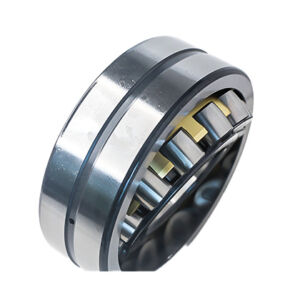
bearing cage is not to be overlooked. This retainer plays a key role in the function of rolling element bearings. It separates and guides the rolling elements and helps distribute loads evenly.
Simply put: the material of the cage has a significant impact on the bearing's performance and operating limits.
This guide outlines the most common bearing cage materials and how to choose the right one for your application.
Why Cage Material Matters
The cage holds the rolling elements in position. It also maintains spacing between the balls or rollers and prevents metal-to-metal contact. In high-speed or high-load applications cage performance becomes critical.
The right cage material will:
Withstand mechanical stress
Handle operating temperatures
Resist wear and deformation
Minimize friction
Maintain dimensional stability over time
Choosing the wrong material can lead to premature failure or poor performance.
Most Popular Bearing Cage Materials
1. Pressed Steel
Pressed steel cages are made from thin sheet steel formed into shape. They are cost-effective and widely used in standard bearing designs.
Key Properties:
High strength
Good for high speeds
Cost-efficient
Moderate resistance to wear
Applications:
General-purpose bearings in electric motors, conveyors, and automotive components.
Limitations:
Not ideal for high temperatures or corrosive environments. Limited damping capacity.
2. Brass (Machined or Cast)
Brass cages are machined from solid brass or cast in one piece. They are heavier than steel but offer better vibration damping and chemical resistance.
Key Properties:
Good strength and wear resistance
High thermal stability
Resistant to corrosion
Low friction against steel rolling elements
Applications:
Heavy machinery, pumps, compressors, and high-speed spindles. Good in harsh environments with shock loads or chemical exposure.
Limitations:
Higher cost. Heavier than steel or polymer cages. May not suit very high-speed use in all designs.
3. Polyamide
A high-performance plastic. Polyamide cages are lightweight and run quietly.
Key Properties:
Low noise and vibration
Low weight
Good sliding properties
Resistant to fatigue and wear
Ideal for high-speed start-stop cycles
Applications:
Electric motors. Household appliances. automotive bearings.
Limitations:
Sensitive to high temperatures. Operating temperature limited to around 120°C. Absorbs moisture in some conditions.
4. Phenolic Resin
Cages made from phenolic resin are reinforced with cotton fabric. These cages are strong and heat-resistant.
Key Properties:
Very low weight
Excellent for very high speeds
Good thermal resistance
Low friction
Applications:
High-speed machine tools. Aerospace bearings. Precision instruments.
Limitations:
Not for shock loads. Can be expensive. Limited availability
5. Stainless Steel
For when corrosion resistance is essential. Stainless steel cages are similar in strength to carbon steel but resist rust and oxidation.
Key Properties:
Excellent corrosion resistance
High strength
Stable at elevated temperatures
Applications:
Food processing. Medical devices. Marine environments.
Limitations:
Higher cost. Heavier than polymer or phenolic options.
6. PPS (Polyphenylene Sulfide)
A high-performance engineering plastic. PPS offers better temperature and chemical resistance than standard polyamides.
Key Properties:
Good thermal and chemical stability
Dimensional stability under load
For continuous operation at elevated temperatures
Applications
Bearings used in chemical processing. Automotive transmissions. Compact high-temperature environments.
Limitations:
More expensive than polyamide. Limited mechanical toughness compared to metals.
Choosing the Right Cage Material
Selecting the right cage material depends on the application environment. Here are a few points to keep top of mind:
Speed: Use low-weight cages like polyamide or phenolic for high-speed applications.
Load: Brass and steel cages perform well under heavy or shock loads.
Temperature: Choose brass or stainless steel for high-heat environments.
Noise and vibration: Polyamide offers quieter performance.
Corrosion resistance: Stainless steel and brass resist moisture and chemicals.
Cost constraints: Pressed steel is the most economical choice for standard conditions.
The cage may seem like a small part of a bearing. But in fact its material and design are essential to performance. Picking the correct cage material leads to better operation and reduced wear.
Rodamientos NSAR is here to supply a wide range of bearings. No matter if you require high-speed machinery or heavy-duty use we have you covered.
Shop our products today to find the right bearing for your equipment.